How do 'ADKAR' and 'Six Sigma DMAIC' align specifically?
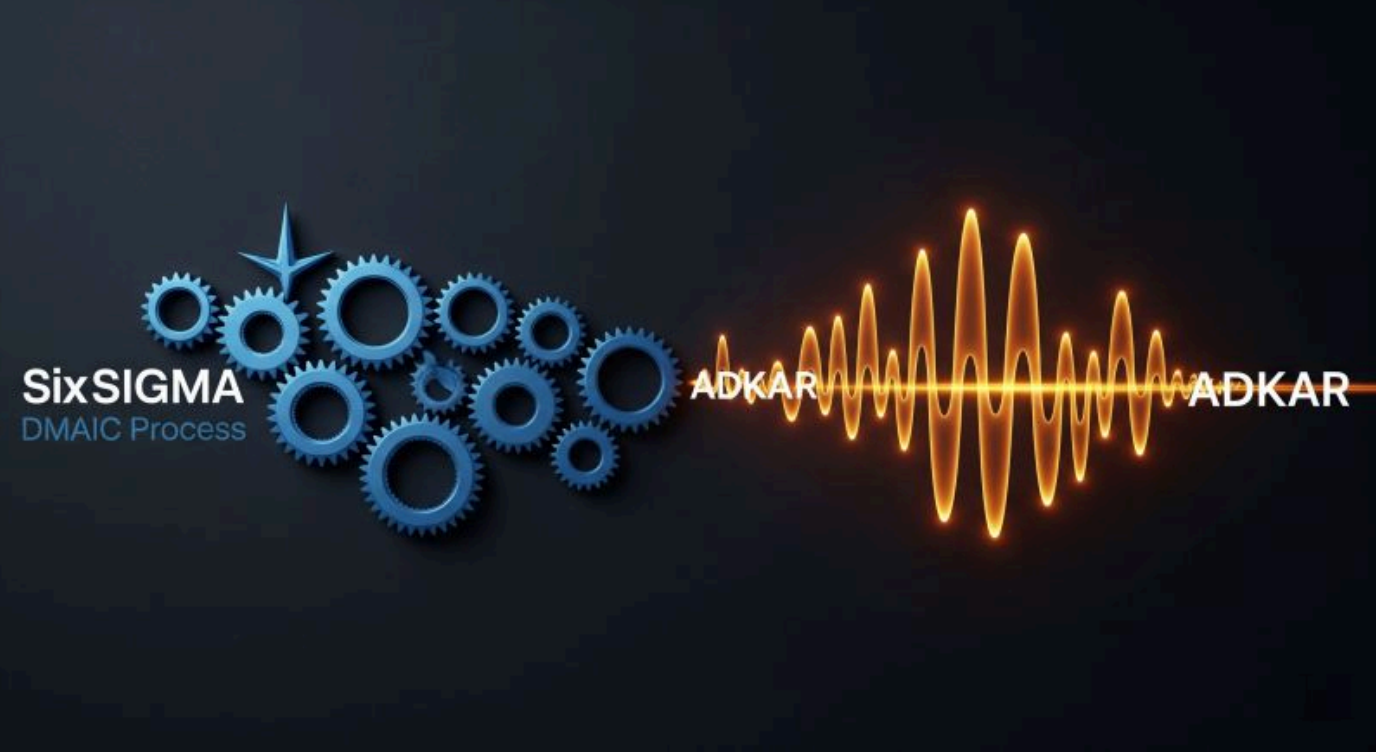
How do 'ADKAR' and 'Six Sigma DMAIC' align
How do 'ADKAR' and 'Six Sigma DMAIC' align specifically?
In my 40+ years of experience change management often fails when organizations focus entirely on the processes and overlook the human involvement.
The ADKAR model works harmoniously with Six Sigma methodologies and the combination creates a powerful approach that addresses both the process improvements and the needs of the individuals with regards to their change management needs.
The combination approach helps organizations achieve a better result in transformation initiatives. ADKAR and DMAIC are two powerful frameworks, which align and enable us to drive results:
Define Phase and the Awareness Stage. The DMAIC framework starts by identifying the problem, which aligns naturally with the Awareness stage of the ADKAR model. Success in any change initiative depends on merging data-driven improvements with a clear focus on the people involved. During the Define phase, establishing Awareness helps pin down specific process hurdles. By using stakeholder analysis, organizations can prepare their teams for the coming shifts and ensure that every problem statement reflects the broader goals of the change.
Connecting Measure and Analyze with Knowledge and Ability Improving a process through data is only possible when the workforce has the tools to make it happen. The Measure and Analyze portions of the DMAIC cycle relate directly to the Knowledge and Ability stages of ADKAR. It is not enough to find the root cause of an issue. Leadership must ensure that employees understand the new requirements and possess the practical skills to execute them effectively on the ground.
Results from Real-World Integration. Combining ADKAR with Six Sigma creates a robust strategy that handles both technical systems and human behavior. For instance, a global car manufacturer applied these methods together to overhaul production quality. This led to a 40% drop in defects and $2.3M in yearly savings while maintaining an 85% employee engagement rate. Similarly, a regional hospital network used this integrated approach to streamline patient care. They successfully cut wait times by 35% and saw a marked increase in both patient satisfaction and staff adoption of the new protocols.
By carefully merging DMAIC's process improvements (data driven) with ADKAR 's focus on the individual, your business can be better prepared for a successful implementation and enjoy sustainable results.
How does your business balance change between the human and process side of change?
#ChangeManagement #SixSigma #DMAIC #ADKAR #OrganizationalChange #ProcessImprovement #Leadership
© 2026 Reply-MC. All rights reserved.
